
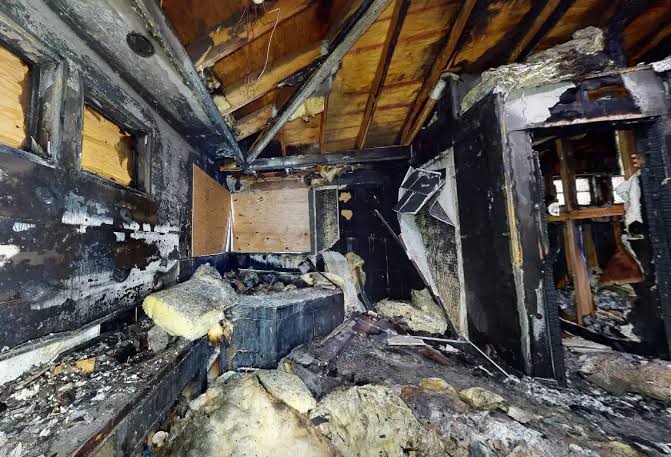
Fire Damage Claims – Preserve Evidence Before Major Repairs
Fire damage can leave a property owner facing several problems at once: structural damage, smoke contamination, water from firefighting efforts, displaced belongings, and urgent repair decisions. Before major reconstruction begins, create a detailed record of the property. Evidence that seems obvious immediately after a fire may become impossible to recreate once debris is removed.
Start With Safety and Access
Do not enter a fire-damaged building until authorities or other qualified personnel say it is safe. Structural instability, electrical hazards, contaminated debris, and hidden hot spots can remain after visible flames are gone.
Once access is permitted, document affected areas without unnecessarily disturbing them. Photographs should show entire rooms as well as individual damaged items.
The NAIC explains that homeowners insurance can cover losses from fire and other covered disasters, subject to the specific policy. NAIC Content
Photograph Secondary Damage Too
Fire claims are not limited to items visibly burned. Smoke, soot, water, and firefighting activity may affect walls, ceilings, electronics, flooring, furniture, and belongings elsewhere in the structure.
Record these conditions before cleaning changes their appearance.
Build an Inventory While Details Are Fresh
List damaged belongings room by room. Include descriptions, approximate purchase dates, brands, model numbers, and available proof of ownership.
Documents relating to property ownership or succession may already be organized alongside estate planning references. Keep insurance inventories separate and clearly labeled so an adjuster can understand which records relate directly to the fire loss.
| Evidence | Example | Purpose |
|---|---|---|
| Room photos | Walls and contents | Shows scope |
| Item list | Brand and age | Identifies property |
| Contractor estimate | Repair scope | Records projected work |
| Expense receipt | Hotel or cleanup | Tracks claimed costs |
Understand Temporary Versus Permanent Work
Boarding broken openings or arranging emergency stabilization may be necessary before the final repair scope is known. Permanent demolition and rebuilding are different because they can destroy evidence of the original condition.
Keep written estimates and ask what inspections are required before major repairs begin. NAIC guidance encourages policyholders to document damaged property and promptly communicate with their insurer when filing homeowners claims. NAIC Content
Family documents stored with other records might include custody-related legal references, but unrelated legal materials should not be presented as evidence supporting an insurance claim.
Review How the Policy Values the Loss
One major issue is whether damaged property is covered on an actual cash value or replacement cost basis. These terms can materially affect how much money is available to repair or replace property.
The NAIC explains that actual cash value generally accounts for age and depreciation, while replacement cost coverage generally focuses on repairing or replacing damaged property with like kind and quality, subject to policy terms. NAIC Content
For an official explanation, see the NAIC guide to actual cash value and replacement cost.
Keep Claim Communications Organized
Create a log containing the claim number, insurer contacts, adjuster information, inspection dates, documents requested, and documents submitted. Save emails rather than relying only on telephone discussions.
Consumers exploring property insurance legal topics may identify issues worth discussing with counsel, particularly when a significant claim involves disputed exclusions, valuation disagreements, or prolonged delays.
Ask for Important Decisions in Writing
If there is disagreement about whether an item is covered, how it was valued, or what repair work is approved, written explanations create a clearer record.
That record can be useful when reviewing the policy or obtaining professional advice.
Where Fire Claims Commonly Go Wrong
Rushing into demolition can erase evidence. Another problem is mixing rough estimates with final invoices until nobody can tell which figures are current.
Avoid overstating damaged property or adding items that were not affected. Insurance claims should accurately reflect the loss because deliberate false statements can create serious legal consequences.
When Does a Dispute Need More Help?
Professional assistance may be appropriate when a large claim is denied, an exclusion becomes disputed, the insurer and contractor strongly disagree about repair scope, or fraud is alleged.
Do not sign documents you do not understand. Depending on the issue, appropriate help may come from the insurer, a licensed adjuster, the state insurance regulator, or an attorney.
Frequently Asked Questions
Can I throw away burned property immediately?
Safety may require removal of some material, but document damaged items first whenever possible. Photograph them, list identifying information, and ask whether the insurer wants an inspection or samples retained.
Does homeowners insurance always pay full replacement cost after a fire?
No. Payment depends on the policy, limits, deductibles, exclusions, valuation method, and claim circumstances. Actual cash value and replacement cost coverage can produce different results.
Should I get more than one repair estimate?
Multiple estimates can sometimes clarify the reasonable scope and cost of repairs, especially when damage is extensive. Keep each version rather than discarding earlier estimates.
Preserve the Record Before Rebuilding
Major repairs can transform a fire scene quickly. Before that happens, preserve photographs, inventories, estimates, receipts, and communications that show what existed and what was damaged. Then compare repair decisions against the actual policy instead of assumptions about coverage.
This article provides general insurance and legal information and is not a substitute for advice from a licensed insurance professional or attorney.