
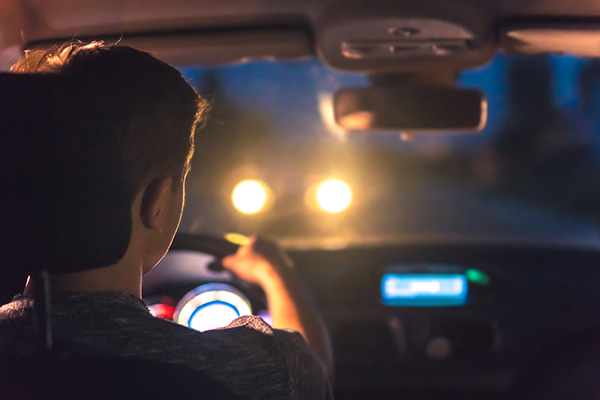
Night Travel Driving – Clean Lights and Rest Properly
Night travel reduces visibility while increasing the importance of alertness. Dirty headlights, windshield haze, tired eyes, glare, and unfamiliar roads can make ordinary driving decisions harder. Cleaning the lights and glass before departure helps, but the bigger safety issue is fatigue. A rested driver usually handles darkness better than someone trying to push through exhaustion.
Improve Visibility Before Darkness Takes Over
Headlights should illuminate the road evenly without appearing unusually dim or misaligned. Clean the lenses, windshield, mirrors, and rear glass before a long night drive. Drivers browsing night-driving maintenance ideas should pay particular attention to aging bulbs and cloudy headlight lenses.
Reduce Glare Inside the Cabin
Keep the dashboard bright enough to read without letting it dominate your vision. Excessive interior brightness can make the dark road outside harder to see.
A clean windshield also matters more at night. Film on the inside surface can scatter light from approaching vehicles and create distracting glare that may be barely noticeable during daylight.
Rest Before Fatigue Changes Your Decisions
Fatigue can affect lane position, reaction time, attention, and judgment. If you start missing exits, forgetting the last few miles, drifting within the lane, or struggling to keep your eyes open, continuing the trip is a poor trade.
People using vehicle information directories to prepare for travel should include driver readiness alongside mechanical checks. A perfectly maintained car cannot compensate for a driver who is too tired to respond normally.
| Night Issue | What You May Notice | Practical Response |
|---|---|---|
| Dirty lights | Shorter visible range | Clean lenses and glass |
| Driver fatigue | Lane drift or heavy eyes | Stop and rest |
| Headlight glare | Temporary loss of detail | Look toward lane edge |
| Wildlife activity | Movement near shoulders | Reduce speed |
Adjust Speed to What You Can Actually See
Driving speed should match the distance illuminated ahead. At night, the road beyond the headlight beam is effectively unknown territory, so extra stopping distance becomes valuable.
Broader travel planning content can help organize routes and schedules, but avoid building a plan that depends on hours of nonstop night driving. Add realistic rest stops and allow extra time for darker rural roads.
Watch roadside areas carefully where wildlife is common. Animals can enter the roadway quickly, and some are difficult to see until they move.
Common Night-Driving Errors
A frequent mistake is using high beams whenever visibility feels poor. High beams can help on empty dark roads, but they should be lowered when approaching or following other vehicles so glare does not reduce another driver’s vision.
Another error is treating caffeine as a replacement for sleep. It may increase alertness temporarily, but it does not restore normal rest. If your concentration continues dropping, stopping somewhere safe is the better decision.
Frequently Asked Questions
Are yellow-tinted glasses useful for night driving?
Some drivers feel they reduce glare, but tinted lenses also reduce the amount of light reaching your eyes. Clear vision, clean glass, proper headlight alignment, and slower speeds are generally more dependable approaches.
How can I tell whether I am too tired to drive?
Repeated yawning, heavy eyelids, missed signs, wandering thoughts, lane drift, and difficulty remembering recent miles are warning signs. Find a safe place to stop rather than trying to force yourself onward.
Should fog lights stay on during normal night driving?
Fog lights are designed mainly for poor-visibility conditions close to the road surface. They are not a substitute for correctly adjusted headlights and may add unnecessary glare when weather conditions are clear.
Let Visibility Set the Pace
Night driving becomes safer when you stop treating daytime speed and scheduling habits as automatic defaults. Clean the lights, reduce glare, leave more stopping room, and schedule real rest before fatigue builds. Darkness limits how much information reaches the driver, so giving yourself extra time is one of the simplest ways to compensate.