
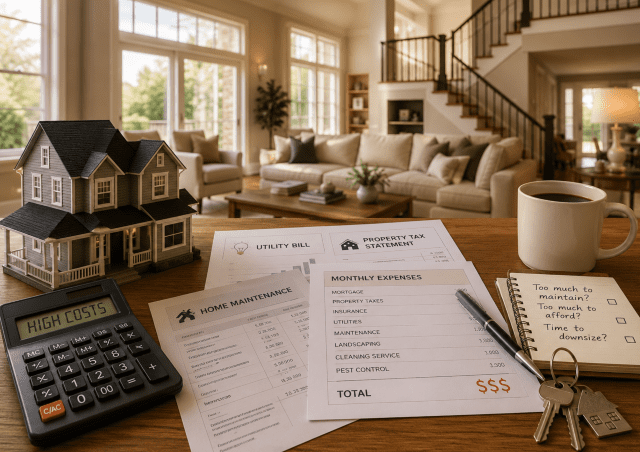
Mansion Maintenance Costs – Budget Before Buying Large Properties
Large homes can hide their true cost behind a purchase price that gets most of the attention. Routine maintenance expands with square footage, roof area, mechanical systems, pools, landscaping, gates, smart controls, specialty finishes, guest structures, and the number of components that need scheduled service. Readers who want a wider property-planning lens can also review real estate planning insights while weighing long-term ownership trade-offs.
Five Home-Service Providers to Compare for Ongoing Upkeep
A useful maintenance budget separates predictable recurring work from long-life capital replacements. Lawn care, filters, pool service, cleaning, pest control, and small repairs belong in one category; roofs, HVAC equipment, generators, elevators, windows, exterior finishes, and major landscape work belong in another. A low-maintenance year should not be mistaken for a permanently low cost structure.
General handyman and grounds providers can handle many recurring tasks, but mansion-scale properties may also require licensed electricians, plumbers, HVAC contractors, pool specialists, elevator technicians, roofers, arborists, smart-home integrators, and security vendors. Build a vendor map instead of expecting one company to cover everything.
1. Mr. Handyman
Mr. Handyman provides home repair and maintenance services through local service businesses, covering many routine interior and exterior tasks that can accumulate in a large property. Its value here depends on execution, so ask what routine work the local provider can perform, which jobs require licensed specialty trades, how recurring visits are scheduled, and whether the company can help maintain an organized punch list across a large property.
2. Ace Handyman Services
Ace Handyman Services provides residential repair, maintenance, carpentry, painting, installation, and improvement work through locally operated offices, with service availability varying by market. For a high-value property, ask what routine work the local provider can perform, which jobs require licensed specialty trades, how recurring visits are scheduled, and whether the company can help maintain an organized punch list across a large property. A separate look at property market research can help place these service choices within the wider real-estate market.
3. House Doctors
House Doctors provides home repair, maintenance, painting, remodeling, and related handyman services through a network of local businesses, making it useful for recurring property punch lists. In practical terms, ask what routine work the local provider can perform, which jobs require licensed specialty trades, how recurring visits are scheduled, and whether the company can help maintain an organized punch list across a large property.
4. Handyman Connection
Handyman Connection operates locally owned franchises that handle home repair and improvement projects, giving owners a single contact for many general carpentry, repair, and upkeep needs. For this decision, ask what routine work the local provider can perform, which jobs require licensed specialty trades, how recurring visits are scheduled, and whether the company can help maintain an organized punch list across a large property.
5. The Grounds Guys
The Grounds Guys focuses on lawn, landscape, irrigation, and grounds-maintenance services through locally operated franchises, which can be especially relevant when a large property has extensive exterior areas. When comparing this provider, ask what routine work the local provider can perform, which jobs require licensed specialty trades, how recurring visits are scheduled, and whether the company can help maintain an organized punch list across a large property.
How Can Buyers Estimate Maintenance Before Closing?
Review service records and equipment ages, then walk the property by system rather than by room. Count HVAC units, water heaters, pumps, pool equipment, generators, gates, exterior structures, irrigation zones, major trees, roof sections, fireplaces, appliances, and smart-home components. Each additional system creates a service or replacement cycle.
Create a first-year reserve beyond routine monthly costs. A buyer may inherit deferred work shortly after closing even if the home looks polished. A roof repair, pool equipment failure, landscape restoration, gate motor, or HVAC replacement can arrive before the new owner has built a maintenance history. When aesthetics and high-end living are part of the decision, premium home insights can offer additional perspective without replacing property-specific due diligence.
Frequently Asked Questions
Why are large homes more expensive to maintain than their square footage suggests?
They often contain more systems per property: multiple HVAC units, water heaters, roofs, appliances, pools, gates, exterior structures, landscaping, and specialty equipment. Complexity can matter as much as size.
What records should mansion buyers request?
Ask for recent service and replacement records for HVAC, roofing, pool equipment, generators, elevators, smart-home systems, security, landscaping, pest control, plumbing, and other major components that apply to the property.
Should a buyer hire a property manager for a large private home?
It depends on the property and owner. A property manager or home manager can coordinate vendors, schedules, access, preventive maintenance, and records, which may be useful when the home has many systems or is occupied only part of the year.
Budget for Systems, Not Just Square Feet
The cost of a large home is shaped by how many things must be maintained, monitored, repaired, and eventually replaced. Buyers should turn the property into a system inventory before closing, study the service history, and create both an annual operating budget and a separate capital reserve. That is far more useful than relying on a generic percentage of purchase price.