
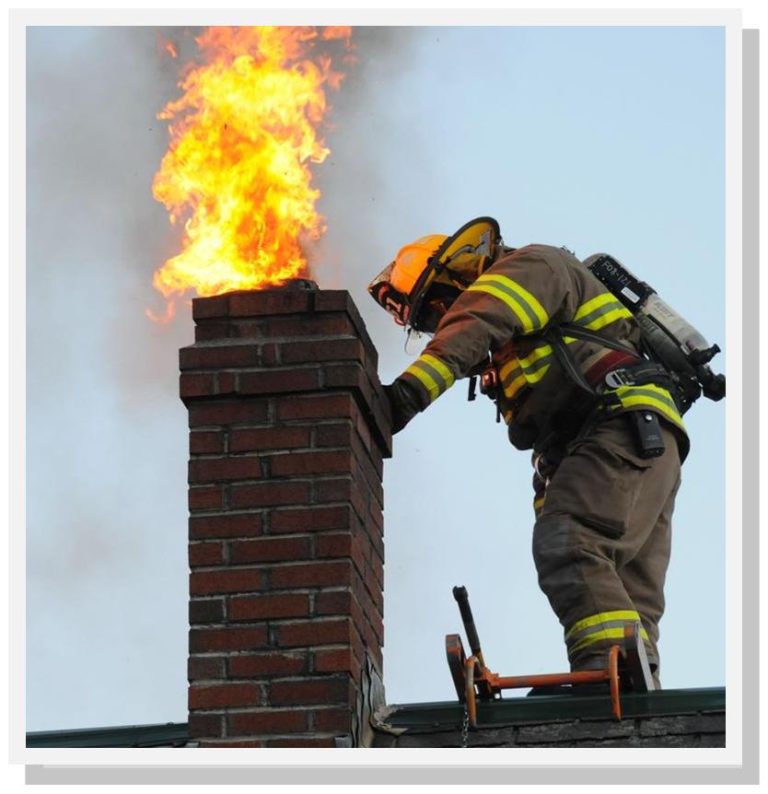
Dirty Chimney Flues – Reduce Fire Risks Before Winter
A home-maintenance issue is easier to control when the cause is identified before parts are replaced or surfaces are covered up. Soot, creosote, nests, and other obstructions in a chimney flue can affect venting and increase fire or combustion-safety concerns.
Across the U.S., the right service choice depends on access, material condition, system design, and how far the damage has progressed. For broader planning beyond the immediate repair, practical home interior guidance can complement a practical maintenance checklist without replacing a qualified inspection when one is needed.
Where to Find Chimney Help
Service decisions are easier when the symptoms are separated from the cause. Avoid relying on a quick visual look from the fireplace opening. Chimney condition includes the flue, liner, cap, masonry, connections, and areas that may not be visible from below. If more than one area is affected, mention that early because it may change the type of professional you need.
1. CSIA Certified Professional Locator
CSIA Certified Professional Locator may be relevant because it is a public search tool from the Chimney Safety Institute of America that lets homeowners look for certified chimney and venting professionals by location. This is especially useful for chimney work because it is designed to help homeowners locate certified chimney and venting professionals by area. It is a directory rather than a repair company, so the homeowner still chooses and hires the individual business after checking the scope of service.
2. National Chimney Sweep Guild Find a Sweep
One option to review is National Chimney Sweep Guild Find a Sweep, a homeowner directory from the National Chimney Sweep Guild for finding member businesses and certified chimney professionals. This directory gives homeowners another way to find chimney businesses and certified professionals. It is useful when a flue needs cleaning or inspection and the homeowner wants a chimney-specific search rather than a general handyman search.
3. Angi
Angi fits this category as a home-services marketplace that helps homeowners compare and connect with local professionals across repair, maintenance, roofing, painting, concrete, chimney, handyman, and many other categories. For dirty chimney flues, the value is choice: homeowners can describe the project, compare local pros, and focus on businesses that actually handle the specific repair in their ZIP code. Because Angi is a marketplace rather than the contractor doing the work, service scope and qualifications should be confirmed with the individual professional.
4. Thumbtack
Thumbtack is a local-services marketplace where homeowners can search for nearby professionals in categories such as handymen, HVAC, roofing, plumbing, windows and doors, concrete, fencing, painting, and chimney work. For dirty chimney flues, Thumbtack can be useful when the homeowner needs several local options instead of a single national brand. Profiles and project categories help narrow the search, but the actual contractor should still be asked about experience with the exact problem, insurance, scheduling, and what is included in the estimate.
5. HomeAdvisor
For homeowners comparing options, HomeAdvisor is a home-services matching platform that helps homeowners describe a project and connect with local service professionals in many repair and maintenance categories. Availability and service details can vary by location, so the best next step is to describe the visible symptoms clearly and ask whether the local team handles that specific condition.
What to Confirm Before Chimney Service
Choose help based on access, safety, and the likelihood of hidden damage. Use a chimney professional for sweeping, inspection, suspected blockages, water damage, liner concerns, or any fireplace that has not been serviced on a regular schedule. Before scheduling, explain any water entry, unusual sounds, movement, recurring failure, or recent storm event because those details can change the technician and tools required.
Do not let a cosmetic fix hide a performance problem. Broader seasonal home comfort ideas can support future projects, but this repair should be prioritized around moisture, safety, airflow, movement, or mechanical function whenever those concerns are present.
Frequently Asked Questions
Can I handle dirty chimney flues myself?
Basic cleaning, visual checks, or tightening may be reasonable when the component is easy to reach and the task is clearly within your skills. Stop when the job involves unsafe heights, electrical or mechanical components, hidden water damage, structural movement, combustion equipment, or anything that requires specialized tools.
When should I call a professional for dirty chimney flues?
Professional help is appropriate when the problem returns, affects more than one area, involves difficult access, or shows signs of leakage, movement, overheating, poor airflow, or material failure. A provider can also help when you cannot confidently identify the cause from a safe visual inspection.
What information should I give a service provider about dirty chimney flues?
Share when the issue started, whether it is getting worse, what you have already cleaned or adjusted, and any photos that can be taken safely. Include model numbers for appliances or HVAC equipment and mention recent storms, leaks, renovations, or other changes that could be related.
Prepare the Chimney Before Cold Weather
A durable fix begins by separating routine upkeep from damage that needs professional attention. Document the condition, choose a service option that fits the actual problem, and recheck the area after the repair during the next period of normal use or bad weather. Broader winter-ready exterior maintenance ideas can support future projects, but the priority here is restoring reliable function before the problem spreads.