
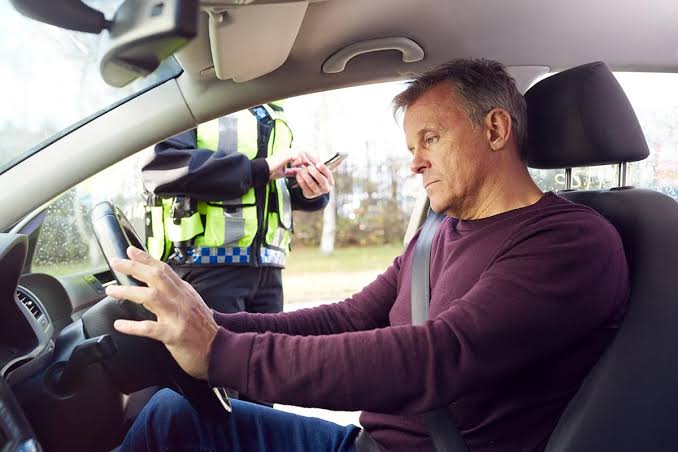
Insurance Proof Problems – Carry Current Documents Before Driving
Insurance Proof Problems can turn a routine drive into a paperwork problem with deadlines, record consequences, and decisions that are hard to undo. Before paying, admitting, ignoring, or contesting anything, organize the policy declarations page, insurance card, coverage verification, effective dates, cancellation or reinstatement notices, and the citation. The right response depends on the exact notice, the state where the matter arose, and whether the issue is administrative, civil, or criminal.
For U.S. drivers dealing with a citation involving proof of insurance, the most useful first step is to separate the facts from assumptions. Potential concerns can include penalties for failing to prove coverage, confusion between not carrying proof and actually being uninsured, and license or registration consequences. This guide focuses on legitimate services that can help you locate or compare traffic-law counsel without treating any provider as a universal first choice.
Where to Look for Traffic-Law Help
Traffic cases are intensely local even when the underlying problem sounds familiar. States treat proof-of-insurance violations differently, and the consequences can depend on whether coverage existed on the date of the stop. That is why broad legal process articles can be useful for understanding how legal proceedings are organized, while your actual deadline and response options should come from the citation, court, agency, or a lawyer licensed in the relevant state.
1. LegalMatch
LegalMatch is an attorney-matching service that lets consumers describe a legal issue and receive responses from licensed lawyers who are interested in the case. For a citation involving proof of insurance, the value is comparison: you can review multiple attorney profiles and proposed fee structures instead of contacting one office at a time.
2. Justia Lawyer Directory
The Justia Lawyer Directory organizes U.S. attorneys by state, city, and practice area, including traffic tickets and DUI/DWI matters. It can help narrow a search for a citation involving proof of insurance to lawyers who publicly identify traffic or criminal-defense work.
3. FindLaw Lawyer Directory
FindLaw maintains a nationwide lawyer directory with searches by legal topic and location, including traffic violations and DUI/DWI defense. For a citation involving proof of insurance, it is useful when location matters because you can search around the court, county, or ZIP code involved.
4. Avvo
Avvo provides a nationwide attorney directory with lawyer profiles, consumer reviews, and a public legal Q&A section. When dealing with a citation involving proof of insurance, the directory can help identify lawyers who list traffic, criminal-defense, or DUI work in your area.
5. Nolo Lawyer Directory
Nolo offers legal information and a U.S. lawyer directory designed to connect consumers with attorneys by legal issue and location. For a citation involving proof of insurance, it can be a practical research option when you want both general background material and a way to locate counsel.
How to Narrow the List
Start with scope. For this type of matter, ask whether the lawyer handles whether the lawyer understands the distinction between proof issues and no-insurance allegations, local correction procedures, deadlines, and what insurer documentation the court accepts. Get the fee arrangement in writing and confirm what is included, such as document review, negotiations, a hearing, or a court appearance. A cheap quote is not a bargain if it excludes the stage of the case you actually need help with.
Also verify deadlines independently. Court dates, DMV or licensing deadlines, appeal periods, and agency response dates may not match each other. Readers who want broader context on how written rulings and legal reasoning are presented can review judicial process reading, but a general article cannot replace the controlling notice or rule in your jurisdiction.
Finally, preserve the original evidence. Keep unedited files, screenshots with timestamps when useful, receipts, notices, and a simple chronology. If another person may be a witness or if your own statement is likely to matter, general witness preparation reading may help you understand why clear, consistent recollection matters. Avoid coaching anyone or altering records.
Frequently Asked Questions
What if I had insurance but could not show the card?
Obtain documentation showing the policy was active on the date of the citation. Some jurisdictions allow proof later, but the process and outcome vary, so follow the court or agency instructions.
Is electronic proof of insurance accepted everywhere?
Many states allow electronic proof, but requirements can change and exceptions may apply. Check your state’s current rule before relying only on a phone copy.
What dates should I verify on my policy?
Confirm the exact coverage period, vehicle listed, named insured, and any cancellation or reinstatement date. The date of the traffic stop is usually the key reference point for proof questions.
Use Deadlines and Documents as Your Guide
With insurance proof, the safest practical approach is to work from documents, dates, and the law that actually applies where the matter arose. Do not assume that paying, waiting, or filing a generic challenge has the same effect in every state. Review the notice, preserve the evidence, confirm your current license or vehicle status when relevant, and get local legal advice when the consequences justify it.
This article provides general U.S. information, not legal advice. Traffic laws and court procedures vary by state and locality.